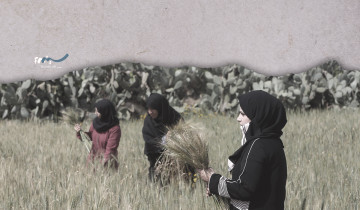
Energy, Water, and Resilience in Conflict Regions: The Role of Low-Tech Renewable Systems

Vulnerable populations in conflict regions face severe shortages of electricity, clean water, fuel, and basic infrastructure. These conditions directly affect public health, education, economic opportunities, and social stability. Environmental inequality further intensifies these challenges, as marginalized communities are often the most exposed to pollution, resource depletion, and climate-related risks while having the fewest resources to recover or adapt.
The environmental consequences of war were highlighted in a recent study by Benjamin Neimark and colleagues at Queen Mary University of London (2026)[1], which examined the Israel-Gaza conflict as a case study. The researchers estimated that direct wartime emissions exceeded 1.3 million tons of CO₂ equivalent by January 2025. When broader lifecycle emissions, including military infrastructure, supply chains, and destruction, were included, total emissions reached approximately 33.2 million tons of CO₂ equivalent.
Armed conflicts not only generate substantial greenhouse gas emissions but also destroy critical infrastructure needed for energy and water supply. In Gaza, the demolition of power plants, fuel storage facilities, water systems, desalination plants, and wastewater treatment infrastructure severely limited access to electricity and clean water. The collapse of sanitation systems further increased the risk of disease outbreaks and humanitarian emergencies.[2]
The conflict also disrupted Gaza’s growing renewable energy sector. Prior to October 2023, solar energy adoption had expanded rapidly as households, municipalities, NGOs, and private companies sought alternatives to frequent electricity shortages and fuel restrictions. Solar systems increasingly powered homes, hospitals, desalination facilities, and wastewater treatment plants. However, military operations destroyed many rooftop and industrial solar installations, further undermining access to electricity, healthcare, sanitation, and water services.
Together, these developments demonstrate how armed conflict creates interconnected environmental, energy, water, and humanitarian crises.
Renewable Energy as a Source of Resilience
Despite these conditions, crises often motivate communities to adopt decentralized, locally controlled systems for energy and water. Examples from Gaza and other conflict-affected regions illustrate a growing shift toward resilience and self-sufficiency.
Before the 2023 war, electricity shortages and repeated infrastructure damage accelerated the spread of rooftop solar systems throughout Gaza. Households, schools, hospitals, desalination facilities, and wastewater treatment plants increasingly depended on solar energy to maintain essential services during power interruptions. Small-scale desalination units, rainwater harvesting systems, and wastewater recycling initiatives also emerged to address severe water scarcity and groundwater contamination. Even during the recent conflict, some decentralized solar-powered water systems supported by NGOs continued supplying potable water to shelters and vulnerable communities despite widespread infrastructure destruction.
Similar trends have appeared globally. In Syria and Yemen, for example, prolonged conflict and fuel shortages pushed communities toward off-grid solar systems for electricity generation and water pumping. In Ukraine, attacks on centralized energy infrastructure accelerated investment in decentralized renewable systems, backup microgrids, and resilient water infrastructure capable of functioning during power cuts[3]. Refugee camps in Jordan and parts of sub-Saharan Africa increasingly depend on solar-powered pumping systems and mini-grids to provide electricity, clean water, healthcare, and educational services in unstable environments.
Biomass, Biogas, and Waste-to-Energy Technologies
Beyond solar and wind power, biomass, biogas, and waste-to-energy technologies can also play an important role in conflict-affected and resource-scarce regions. These technologies are particularly easy to design, build, and operate without requiring advanced engineering skills. Most importantly, they rely on locally available organic waste, including kitchen waste and agricultural residues, to generate energy and strengthen community resilience. In Gaza, biogas and biomass technologies have been explored as alternatives for cooking fuel. Organic waste from households, agriculture, livestock, and food processing can be converted into biogas through anaerobic digestion. Small-scale biogas systems have already been introduced in limited settings to support farms and rural households by providing cooking fuel and electricity. Wastewater treatment facilities can also generate methane-rich biogas from the anaerobic digestion process of sewage sludge, helping to offset the energy demands of sanitation and water operations.
Comparable initiatives have emerged in other conflict-affected or energy-insecure regions. In refugee camps across East Africa and the Middle East, biogas systems help reduce dependence on firewood and imported fuels while improving sanitation conditions. Rural communities increasingly rely on agricultural biomass and small biogas digesters because of severe fuel shortages linked to economic collapse and conflict in Syria and Lebanon[4]. In Ukraine, agricultural biomass gained importance as part of efforts to diversify energy sources during attacks on conventional energy infrastructure.[5]
These low-tech yet effective technologies provide both environmental and social benefits. They reduce dependence on imported fuels, lower greenhouse gas emissions, and support locally controlled energy systems that are less vulnerable to political instability and infrastructure destruction. In conflict zones, renewable energy systems based on solar, wind, biomass, and biogas increasingly serve not only as tools for sustainable development but also as mechanisms for survival, resilience, and community empowerment during prolonged crises.
References
Neimark B., et al., 2026, OneEarth 9, 3, 101648.
Abd El Hay M., et al., 2024, THE ENVIRONMENTAL-HUMANITARIAN IMPACTS OF THE ISRAEL-HAMAS WAR IN GAZA, Arava Institute for Environmental Studies, June 2024.
How Ukraine Is Turning to Renewables to Keep Heat and Lights On - Yale E360
https://carnegieendowment.org/sada/2024/10/syria-energy-transition-under-conflict-conditions
Pacific Northwest National Laboratory (PNNL). (2025). Bioenergy and Climate Change in Ukraine. PNNL Report).
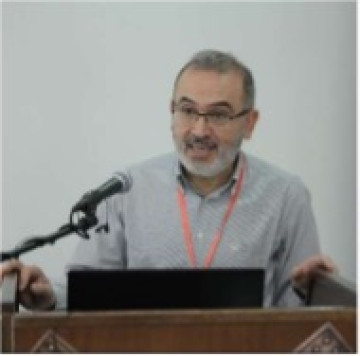
Prof. Isam Sabbah
A full professor in the Department of Biotechnology Engineering at Braude College of Engineering, with over 30 years of experience at the intersection of biotechnology, engineering, and environmental research. A recognized leader in engineering-based biotechnology, he has authored high-impact publications and developed patented technologies in collaboration with national and international partners. Beyond academia, Prof. Sabbah was the co-founder of the Research and Development Center of the Galilee Society, serving as its scientific director (2005–2008). His work reflects a deep commitment to community-engaged research, sustainable innovation, and multidisciplinary systems thinking in engineering education.
مقالات متعلقة