Gaza’s Women: Unbroken Pillars of Survival Two Years On
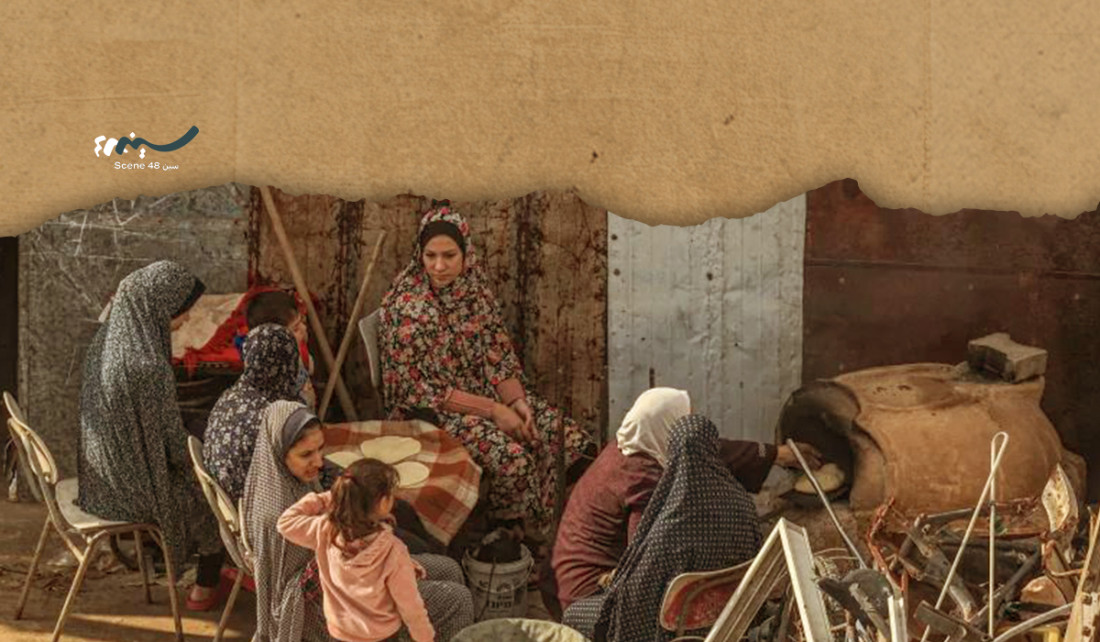
Two years after the war, the catastrophe in Gaza is no longer an exceptional event but a daily pattern of life. Amid repeated displacement, the collapse of services, and the erosion of livelihoods, women stand at the eye of the storm—not merely as victims, but as the social pillar of survival, bearing the dual burden of their own endurance and the protection of others.
UN estimates indicate that around 90% of Gaza's population has faced internal displacement since the war began.[1] This displacement was more than a physical shift; it was a profound social and psychological uprooting. In temporary tents and overcrowded schools, women and girls found themselves without privacy or adequate protection, in conditions that redefine the meaning of human dignity.
Displacement and the Loss of Daily Dignity
Over the past two years, women have endured compounded psychological pressures from loss and caregiving responsibilities. Many live in a state of perpetual vigilance: chronic anxiety, insomnia, panic attacks, and a constant sense of insecurity. Mothers postpone their grief to appear strong before their children, concealing their fear to offer them fleeting reassurance. Yet unaddressed trauma morphs into profound emotional exhaustion, threatening family and community cohesion.
In this fragile context, risks of gender-based violence escalate. Weakened protection systems, cramped spaces, and economic collapse all fuel intrafamilial violence. Women often lack safe mechanisms for reporting or seeking protection, amid the disintegration of legal frameworks.
Economically, the war has redrawn the map of livelihoods at a steep cost to women. Data from the Palestinian Central Bureau of Statistics show a surge in female-headed households due to human losses and widespread unemployment [2].[3] With local markets in ruins and prices soaring, thousands of women have become their families' sole providers. Here, “feminization of poverty” is no longer a theoretical concept but a daily reality: a woman managing an entire household on irregular aid, deferring her own medical care, and rationing her food to ensure her children eat.
On the health front, UN agencies estimate over 150,000 pregnant and breastfeeding women in need of regular care, amid acute shortages of medicines and supplies.[4] The collapse of water and electricity networks amplifies risks, leading to outbreaks of skin and gastrointestinal diseases, and malnutrition. Girls face additional challenges from the lack of personal hygiene products, undermining their health, dignity, and increasing school dropout rates.
Economy and Health Amid Collapse
Environmentally, seasons have become tools of further subjugation. In winter, tents turn into muddy, damp spaces of biting cold, with women shouldering the task of drying blankets, shielding children and the elderly, and fighting illness amid weakened immunity. As summer nears, plastic tents become suffocating ovens, while scarce clean water and accumulating waste threaten epidemics. This is no longer a matter of climate but a health and rights crisis demanding urgent response.
On top of all this, women’s unpaid labor has doubled: fetching water, cooking over firewood, caring for the sick, and compensating for absent schooling within tents. This invisible effort holds communities together, yet it is rarely accounted for in relief or recovery plans.
School dropout and early marriage have surged under the strain of poverty and fear. Estimates suggest that between a quarter and a third of Gaza’s women married before age 18,[5] jeopardizing an entire generation's education and future prospects.
Women as Agents in Community Recovery
Despite international warnings, many women no longer trust absent international humanitarian law in their daily realities. Data do not halt bombings, condemnations do not restore services, and the lack of accountability entrenches a deep sense of injustice.
Yet in camps and ruined neighborhoods, women lead community kitchens, organize psychosocial support initiatives, work in health and relief sectors, and rebuild social bonds. Reconstruction here is not merely an engineering process but a social and ethical journey—and the women who managed life under bombardment are equipped to lead recovery, provided they are recognized as full partners in planning and decision-making.
Two years after the war, Gaza's women stand between unbearable exhaustion and unbreakable will. Behind the grim statistics lie daily stories of resilience and ingenuity in the face of oblivion. Integrating women into reconstruction, ensuring their access to services, and holding violators accountable are not political luxuries but essential conditions for building a just and sustainable future for Gaza.
[1] https://mowa.pna.ps/uploads/1729847092331862965.pdf
[2] https://www.pcbs.gov.ps/Downloads/book2727.pdf
[4] https://www.unicef.org/media/174306/file/SOP-Humanitarian-SitRep-31-August-2025.pdf.pdf
[5] https://www.moretoherstory.com/stories/in-gaza-and-beyond-child-marriage-persists-long-after-a-ceasefire?utm_source=chatgpt.com.
Photo courtesy of Eyad Baba.
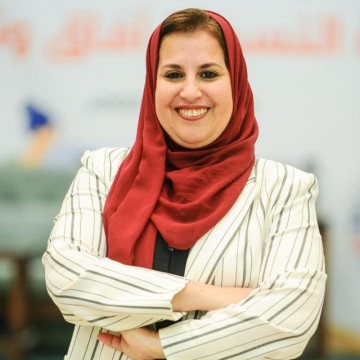
Sahar Yaghi
Chair of the Board of the Palestinian Feminist Developmental Studies Association and a feminist activist.
Related Articles