Palestinian Women, Unfiltered
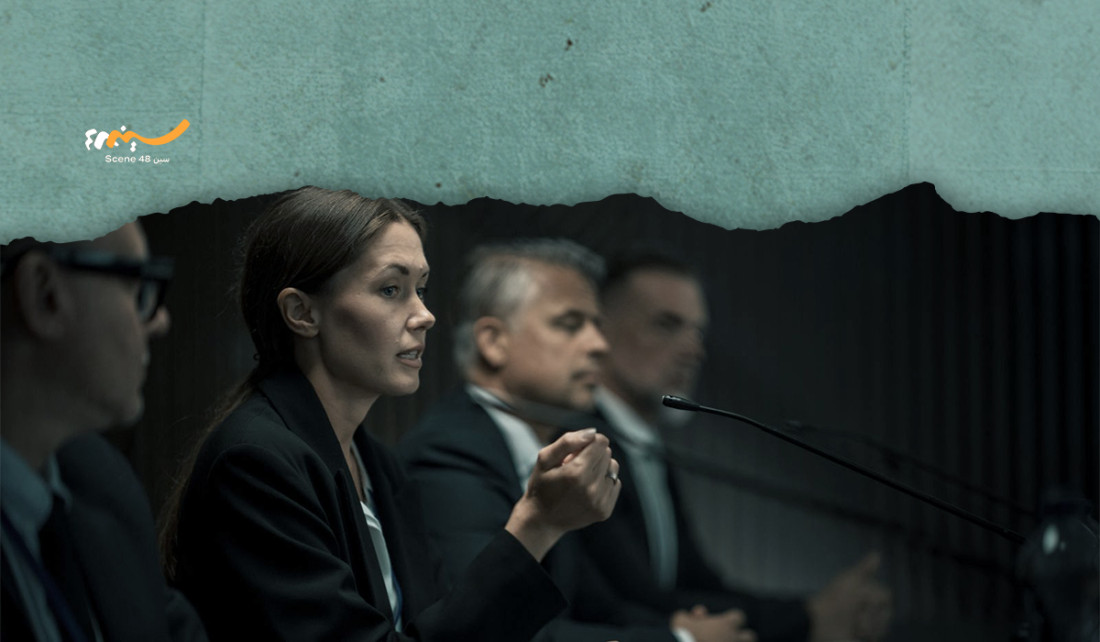
Us Palestinian women do not wait for permission to speak. We speak in courtrooms and kitchens, in newsrooms and refugee camps, in whispers and indictments. Yet the global conversation about Palestinian women continues to frame us as a problem of representation rather than a force of political action. The focus remains on how we are shown, instead of on what we actually do, and why that work so often unsettles the systems watching us.
In my experience working in legal advocacy and international spaces, Palestinian women are rarely absent. We draft reports, document violations, negotiate language, and sustain networks that keep political struggles alive under immense pressure. But our labor is often made invisible or reframed as “supportive” rather than strategic. When women lead with analysis instead of grief, with law instead of slogans, or with collective memory instead of personal tragedy, the reaction is often discomfort. This is not because our arguments lack merit, but because they challenge the colonial order that prefers Palestinian women as symbols rather than actors.
Palestinian women have long understood that power does not only reside in official platforms. We move between formal and informal spaces with precision. Some of us speak loudly in international forums, naming apartheid, settler colonialism, and global complicity without apology. Others choose silence at specific moments, not as surrender, but as calculation. In families, communities, and movements, women decide when to speak, when to withhold, and when to redirect conversations in ways that protect people and preserve momentum. This is political strategy, even when it is dismissed as emotional intelligence or social skill.
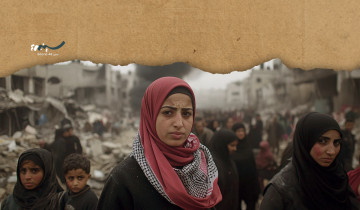
Media and humanitarian narratives often fail to recognize this agency. They highlight Palestinian women’s suffering while overlooking their decision-making power. A woman who survives bombardment is framed as resilient; a woman who explains why the bombardment is legalized and normalized is framed as radical. Yet it is precisely this clarity, rooted in lived experience and political understanding, that makes Palestinian women dangerous to colonial storytelling.
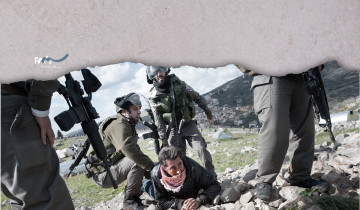
In journalism, Palestinian women document violence while navigating censorship, intimidation, and erasure. In activism, they build transnational networks that sustain pressure long after headlines fade. In legal and policy spaces, they translate collective pain into demands, arguments, and accountability mechanisms. None of this fits neatly into the preferred image of the “strong but silent” woman. It reveals women as organizers of resistance, not its emotional backdrop.
Even anger, often portrayed as a flaw, functions as a tool. Palestinian women’s anger is not chaos; it is informed, disciplined, and historically grounded. It names perpetrators, exposes complicity, and refuses false balance. That is why it is so frequently policed. Calls for “tone,” “civility,” or “strategic patience” are rarely neutral. They are demands to slow down, soften, and dilute anti-colonial truth in order to make it palatable for those who benefit from delay.
What Palestinian women do, across generations, is refuse reduction. We refuse to be only mothers of the nation, only victims of war, only bridges between men and power. We insist on being political subjects with our own analyses, priorities, and methods. Some of us confront institutions directly; others work beneath the surface, sustaining movements through care, coordination, and continuity. Both are forms of resistance.
This multiplicity is what dominant narratives struggle to hold. They want clear categories: empowered or oppressed, vocal or silent, modern or traditional. Palestinian women disrupt these binaries by operating in between them. We carry contradictions without apology. We are both visible and strategic, outspoken and selective, exhausted and relentless.
To center Palestinian women, then, is not to give us more space to perform suffering. It is to recognize our role in shaping struggle itself. It is to understand that women are not only affected by war and occupation, but actively influence how they are resisted, narrated, and remembered. Our presence does not merely humanize injustice; it exposes its architecture.
Palestinian women are not asking to be included in someone else’s story. We are already writing our own, in fragments and refusals, in law and language, in persistence and rage. The question is whether the world is willing to listen, not to our pain alone, but to our politics.
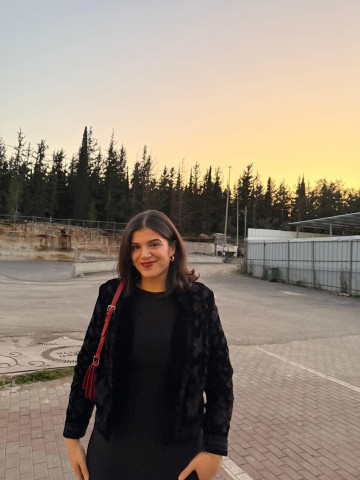
Assalah Mansour
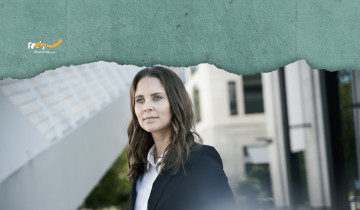
A lawyer, human rights advocate, researcher in international law, and master’s student at the University of Zurich, Switzerland.
مقالات متعلقة