Handala
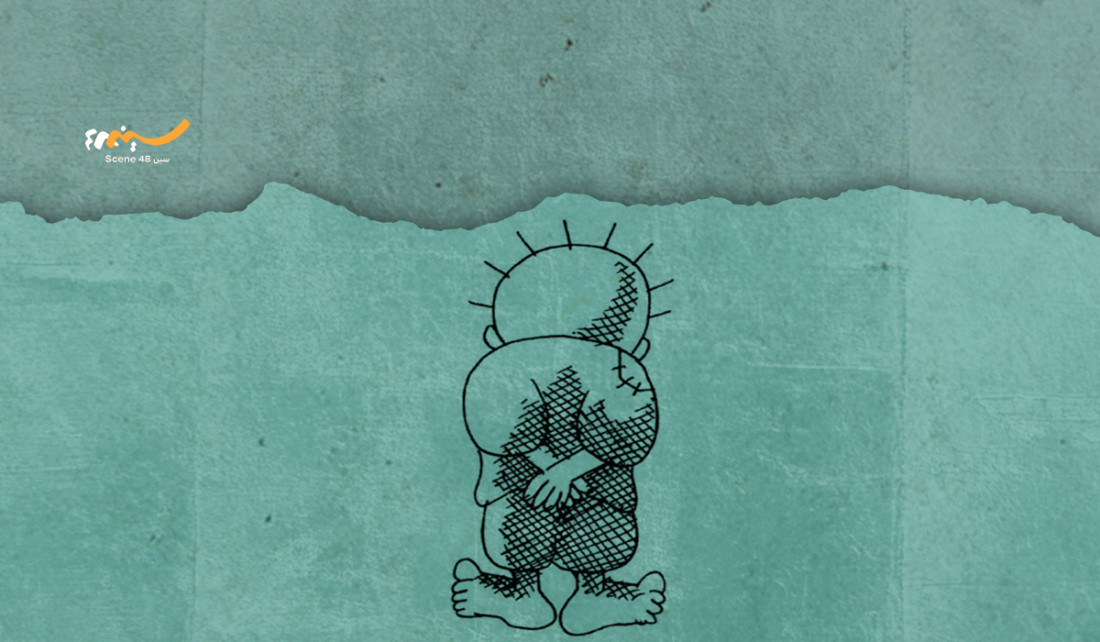
Handala حنظلة was born from the pen of Naji al-Ali, the Palestinian cartoonist whose fearless criticism of oppression made him one of the most influential political artists of the Arab world. In July 1987, al-Ali was shot in London outside the offices of Al-Qabas newspaper. He died weeks later from his wounds. His assassination was an attempt to silence a voice that refused to compromise or bow to power. Yet through Handala, al-Ali left behind an immortal witness, one who continues to speak the truths he could no longer utter.
Handala stands with his back turned, small, barefoot, and unshakeable. Created by Naji al-Ali, this ten-year-old boy (frozen at the age he was forced into exile) has become one of the most significant icons of the Palestinian cause and its moral clarity. He refuses to grow or turn until justice and return are possible. Does this not embody the Falastini Spirit?
Handala does not speak, yet he exposes everything. His silence confronts the world louder than any slogan; his posture indicts systems that normalize displacement; his simplicity unveils the complexity of our collective wound. He watches, witnesses, and refuses to look away. Handala makes us all wonder: how many more years shall we remain in confrontation? How many more until he shows us his face?
For generations, Handala has travelled across walls, pages, protests, and memories. Carried by Palestinians everywhere, he is not a symbol of defeat, but as a compass of conscience. He reminds us that steadfastness is not a performance, but daily practice: refusing erasure, claiming dignity on our own terms.
In magnifying Handala, we magnify ourselves: our unresolved grief, stubborn hope, endless insistence on justice. He remains a child; the child that never grew inside us all, carried by those who hold the Falastini Spirit.

Scene48 Editors
Related Articles