Palestine as Pawn: Land, Water, and the Cost of Occupation
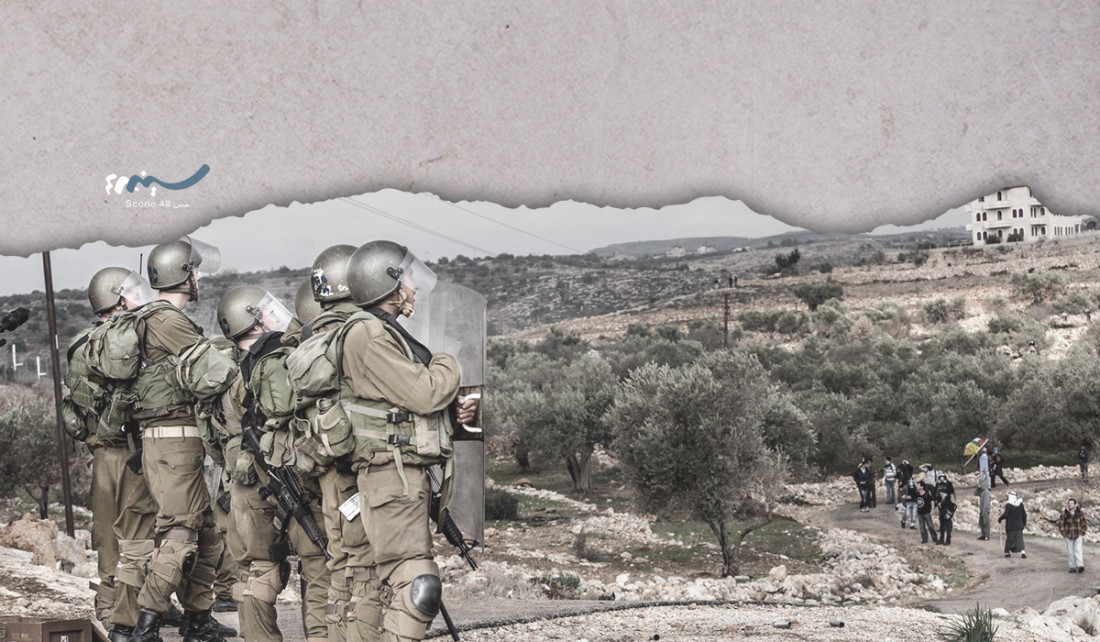
At Dalia Association, the starting point for community impact is simple: Palestinians should control their own resources and lead their own development. Dalia does not wait for donors to decide priorities, nor do we accept conditional funding that compromises our values, communities, or collective freedom. In practice, in Palestine, this is an act of resistance.
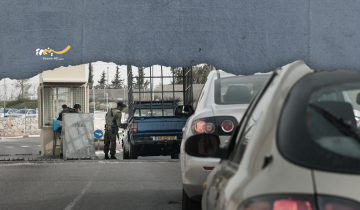
The conditions we work in are not neutral. What has played out over decades is not, as the media might portray it, a conflict between equals, but a system of occupation, dispossession, and control imposed by a colonial power over an Indigenous people fighting to remain on their land and determine their own future. Palestinians still live with the consequences of decisions and realities they historically had very little power to shape. Oslo was supposed to change that; instead, life on the ground became more fragmented and constrained. Movement restrictions tightened, land continued to shrink, settlements expanded, and economic dependence deepened. People learned to navigate a system that made even ordinary tasks (getting to work, accessing education, building a home, or moving between cities) increasingly difficult and uncertain. Meanwhile, the international development sector kept arriving with funding and frameworks designed elsewhere, trying to manage the symptoms of a reality that was never just humanitarian or technical to begin with.
This is the environment Dalia works in now. We provide community-controlled grants that put decisions in local hands, reviving Al-‘Ouneh, the old tradition of neighbors combining what they have to get things done. We support women-led cooperatives, youth-led initiatives, and grassroots organizations rooted in the community rather than accountable to a distant donor. Increasingly, we hold space for conversations about land, sovereignty, and what real development requires when the political ground keeps shifting under your feet.
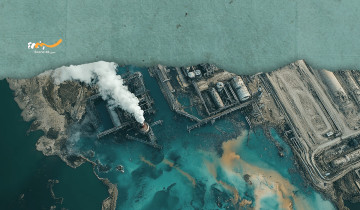
The situation in Gaza is unprecedented. The destruction is total in a way that most people have not fully absorbed. Buildings, hospitals, and schools have been destroyed, and with them much of Gaza’s social fabric. Yet no one is really talking about the land itself. The soil is contaminated by explosives and chemicals, and the aquifers and groundwater, already strained after years of blockade, are in far worse shape—most are not even functional. There are approximately 60 million tons of rubble sitting on what used to be neighborhoods, carrying asbestos, heavy metals, and unexploded ordnance. The environmental damage in Gaza will outlast this war for a long time. Children who survive will grow up in places that are toxic in ways we have not yet fully measured and can hardly comprehend.
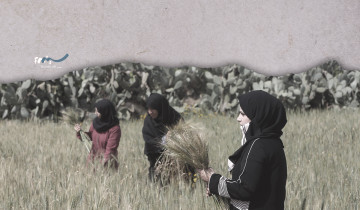
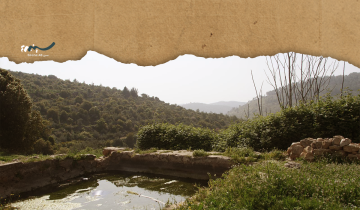
These realities differ in visibility, but they are part of the same system of control over land, water, and movement. Damage in the West Bank is less visible, but it is not insignificant. Settlers have pushed Palestinian communities off farmland and cut off access to water sources people have depended on for generations. Most of the West Bank's water resources came under Israeli control through Oslo, and what was supposed to be temporary became permanent. Palestinian farmers in Area C need Israeli permits to drill wells, and most, if not all, are denied. In the Jordan Valley, some of the region's most fertile land sits near settlements that use the same aquifer while Palestinian crops die for lack of irrigation.
Without water, nothing grows. Water here is not just a resource, it is a tool of control. Who gets water and who does not is a political decision, and when you cannot access water, you cannot farm. When you cannot farm, the land stops being yours in any practical sense. When the land stops being yours, people leave, which some argue is the point.
The development sector has spent decades responding to these conditions without addressing the root causes. Settlements expand and water stays out of reach. Palestinians become a “project” within donor funding, and the occupation is sustained and funded by the false idea of development.
At Dalia, we keep coming back to the same question: Who decides? Who decides what this community needs? Who decides how resources get used? Who decides what counts as progress? Those questions are not separate from the political situation; they are at its crux. Until the development sector is willing to sit with that honestly, much good work will keep disappearing into a system built to absorb it.
Peace for Palestinians should not be abstract. A just peace means water they can reach, land they can use, and homes they can build without permits they will inevitably be denied. A future they have some say in. That is not an unreasonable thing to want. The distance between that and what exists today is not a detail to negotiate; it is the whole problem.
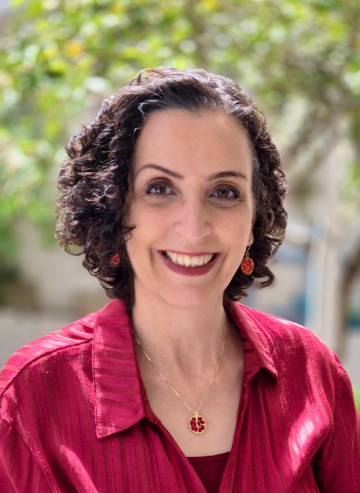
Sandra Rasheed
A senior humanitarian and development leader with more than thirty years of experience in Palestine and the Middle East. She has held country director and executive roles with national and international NGOs, serves on the board of Dalia Association, and currently works as an independent consultant.
مقالات متعلقة