Recovered, but Not Accepted: Reintegrating Arab Women After Addiction

Substance use disorder is one of the most serious social and public health problems affecting individuals, families, and society. However, the journey of recovery does not end merely by ceasing drug use or completing treatment. Rather, it is followed by another stage that may be even more difficult: reintegration into society. This challenge becomes particularly complex when the individual in recovery is an Arab woman, especially if she was subjected to exploitation or engaged in prostitution during the period of addiction. This raises an important question: To what extent is Arab society prepared to support a woman who has struggled with addiction or prostitution? Is it willing to forgive her and offer her a genuine second chance?
Arab society is characterized by strong family bonds and a deep adherence to customs and traditions. While these characteristics often serve as sources of social cohesion, they may also become sources of pressure on women in recovery. In many cases, women are judged more harshly than men for their past, and the stigma associated with addiction continues to follow them even years after recovery. Whereas a man in recovery is often viewed as someone who made mistakes and successfully returned to the right path, a woman is frequently treated as though her past mistakes will remain an inseparable part of her identity forever. This disparity in social attitudes makes the process of reintegration far more difficult for Arab women than the treatment process itself.
Based on my experience in the field of addiction treatment, I have learned that true success is not measured solely by abstinence from drug use. Rather, it is reflected in an individual’s ability to regain a normal life, obtain employment, establish healthy social relationships, and feel once again that he or she is a productive member of society. Individuals in recovery require an environment that fosters trust, encourages perseverance, and opens opportunities for employment, education, and a dignified life. When they are instead met with rejection and exclusion, they may experience frustration and hopelessness, significantly increasing the risk of relapse.
The problem becomes even more evident when the person in recovery is an Arab woman. In addition to the psychological and physical challenges she has already endured, she often faces harsh social judgments that may deprive her of basic rights, including obtaining employment, establishing a family, or even building new social relationships. If she engaged in prostitution as a consequence of addiction, economic hardship, or exploitation, society frequently fails to distinguish between the victim and the circumstances that led to her situation. Instead, severe moral judgments prevail, preventing her from beginning a new life.
It is important to emphasize that throughout more than thirty years of professional experience in the treatment of individuals with substance use disorders, I have successfully treated, rehabilitated, and socially reintegrated dozens of Arab men. These individuals succeeded in obtaining respectable employment and rebuilding stable and productive lives. In contrast, despite all these years of experience, I have not succeeded in socially reintegrating a single Arab woman to achieve the same outcome. This does not reflect a lack of strength or willingness to change among women; rather, it reflects the magnitude of the social barriers they face. The problem does not lie in women’s ability to recover, but in society’s willingness to grant them a second chance.
This reality demonstrates that society continues to apply a clear double standard, showing greater tolerance toward men than toward women. Consequently, many women who have successfully recovered are deprived of the opportunity to rebuild their lives, despite the fact that the primary objective of treatment and rehabilitation programs is to enable individuals to return to society as healthy and productive members.
Responsibility for successful reintegration does not rest solely on the woman in recovery. It is a shared responsibility involving families, treatment institutions, employers, governmental agencies, the media, and society as a whole. Families are expected to provide emotional and psychological support, employers should offer fair employment opportunities free from prejudice, and governmental institutions should establish training and employment programs that promote economic independence among individuals in recovery.
The media also plays a vital role in reshaping public perceptions of people recovering from addiction by highlighting stories of success rather than focusing exclusively on their past. Equally important is increasing public awareness that recovery from addiction is not the end of the journey but the beginning of a new stage that requires acceptance, inclusion, and continued support.
An Arab woman who has succeeded in overcoming addiction has already demonstrated extraordinary courage, resilience, and determination. She deserves a genuine opportunity to prove herself once again. Continuing to punish her socially after recovery harms not only the individual herself but also society, which loses the potential contributions of capable and productive human beings.
Conversely, successful social reintegration benefits society as a whole. It reduces the likelihood of relapse, decreases crime rates, strengthens family and social stability, and promotes the principles of social justice. A society that believes in the possibility of human change is ultimately more compassionate and better equipped to address its social challenges constructively.
Conclusion
In conclusion, recovery from addiction is undoubtedly a courageous achievement; however, reintegration into society remains the greatest challenge, particularly for Arab women. Practical experience demonstrates that the primary obstacle is not the woman’s capacity to recover but rather society’s perception of her after recovery. Therefore, building a more just and compassionate society requires abandoning social stigma, believing in every individual’s capacity for change, and recognizing that offering a second chance is not merely an act of kindness, but an investment in human potential and in the future of society as a whole.
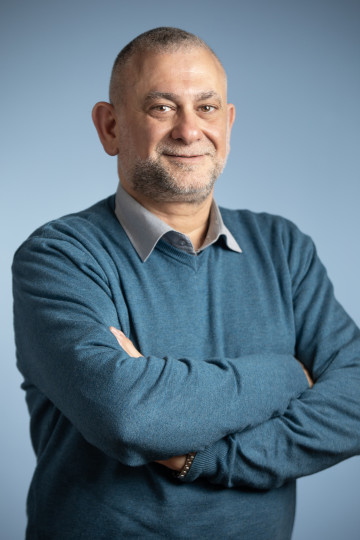
Dr. Walid Haddad
A lecturer in criminology at Ono Academic College and the director of two addiction treatment centers in Nazareth and Umm al-Fahm.
Related Articles