The Weaponization of Water in Middle Eastern Conflicts
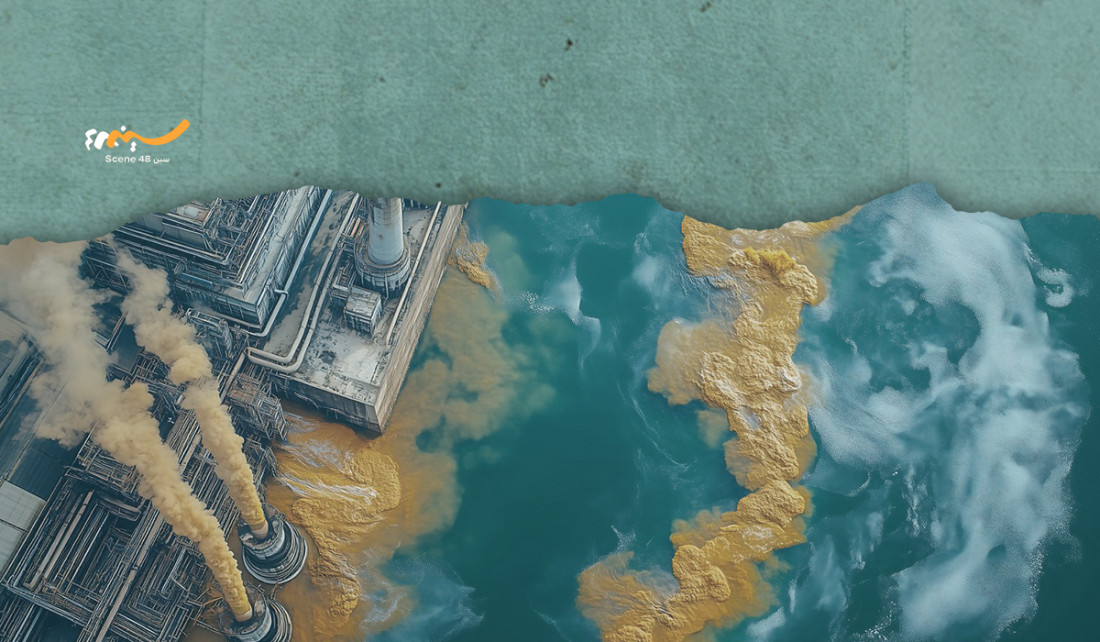
In the conflicts of the Middle East, water can no longer be understood merely as a collateral victim of destruction. It has increasingly become a strategic target and, in some contexts, an instrument of silent environmental harm. While media attention tends to focus on immediate casualties and visible devastation, a slower and more enduring form of damage unfolds beneath the surface and along river systems: deliberate pollution, diversion of waterways, and contamination of groundwater resources. This article examines the mechanisms of this form of warfare through examples drawn from Palestine, Lebanon, and Jordan, and considers the limits of the existing legal framework for accountability.
Mechanisms of River Pollution in War
Pollution in wartime is not confined to the dumping of waste. It often takes systematic and deliberate forms that produce long-term ecological and public health consequences. The destruction of sewage treatment facilities, as seen in Gaza and Syria, can result in untreated wastewater entering rivers and open channels, thereby increasing the risk of waterborne disease. The targeting of industrial and military sites may release heavy oils and toxic metals such as mercury and lead into the environment, where they persist in sediments for years and accumulate in aquatic life. Similarly, informal displacement camps, when established without adequate sanitation infrastructure, become major sources of organic and biological contamination. The broader effect is the transformation of water systems into vectors of disease and ecological decline.
Diversion as Geographic Coercion
The redirection of rivers and canals is among the most severe forms of water weaponization. Earthen barriers, military canals, and related engineering works may be used to alter a river’s course entirely, thereby drying out inhabited areas and depriving communities of drinking water and irrigation. The destruction of bridges and water channels can generate uncontrolled flows that flood farmland and devastate villages. In extreme cases, such tactics have served broader projects of demographic manipulation and territorial control, including the deliberate drainage of marshlands in Iraq. These practices amount not merely to military tactics, but to forms of geographic coercion that reshape the human and ecological landscape.
Groundwater Contamination and Delayed Harm
Groundwater contamination is especially dangerous because its effects are largely invisible and often delayed. An aquifer may remain polluted for years before the contamination becomes apparent in wells, at which point it may already be associated with chronic disease or elevated salinity. Damage to oil wells, the release of heavy metals from unexploded ordnance, and the seepage of fuel and industrial residues can all lead pollutants into underground water systems. The burial of corpses and munitions in shallow pits may further contribute to leachate and carcinogenic contamination. In addition, shelling wells and nearby infrastructure can fracture protective geological layers, allowing surface pollutants to enter previously clean groundwater sources.
Regional Cases
Palestine: In Gaza, the destruction of water and sanitation infrastructure has been extensive, with severe effects on public health and basic access to potable water. In the West Bank, control over groundwater resources remains deeply unequal, and water access is shaped by asymmetries of power and distribution. This pattern illustrates how water can function as an instrument of structural domination rather than a neutral natural resource.
Lebanon: In southern Lebanon and Nabatieh, water infrastructure has suffered major disruption, affecting domestic supply and agricultural irrigation. The resulting damage has had direct economic and social consequences, including reduced agricultural productivity and increased vulnerability to displacement. In this context, attacks on water systems cannot be separated from broader pressures on civilian resilience and territorial stability.
Jordan: Jordan remains one of the most water-scarce countries in the region, and its vulnerability has been intensified by population growth and refugee inflows. Water scarcity places sustained pressure on public services, agriculture, and inter-state arrangements. Regional conflict can further destabilize already fragile water-sharing commitments, demonstrating how water security is tied to both domestic governance and geopolitical relations.
Legal Framework and Accountability
International humanitarian law provides important prohibitions against attacks on objects indispensable to civilian survival. Article 54 of Additional Protocol I to the Geneva Conventions prohibits the destruction of drinking-water installations, irrigation works, and related infrastructure when such acts are intended to deny sustenance to civilians. At the same time, the concept of ecocide has gained increasing attention in legal scholarship as a framework for addressing severe environmental destruction during conflict, although it is not yet recognized as a standalone crime under the Rome Statute. The principal difficulty lies not in the absence of legal language, but in the lack of effective enforcement mechanisms and evidentiary pathways that can translate violations into accountability.
Documentation and Research Priorities
Effective documentation of water-related violations requires a combination of remote sensing, field sampling, and institutional reporting. Satellite imagery can help verify changes in river courses, damage to infrastructure, and broader environmental alteration. Water samples taken before, during, and after conflict can establish contamination patterns and support forensic attribution. Such evidence should be assembled into legally rigorous files capable of informing international accountability processes, including proceedings before the International Criminal Court. In parallel, academic institutions and policy bodies should treat water security not as a peripheral environmental issue, but as a core component of national resilience and human security.
Conclusion
Water in Middle Eastern conflicts has become a silent weapon: polluted, diverted, and poisoned in ways that inflict long-term harm on ecosystems and civilian populations alike. In Palestine, it operates as a mechanism of control and dispossession; in Lebanon, as a target of infrastructural destruction; and in Jordan, as a pressure point within an already fragile regional water economy. Although these practices are constrained by international law, the persistence of impunity reveals a significant gap between legal principle and practical enforcement. Recognizing water protection as a strategic, legal, and moral imperative is therefore not optional, but urgent.

Dr. Ghazi Al-Masri
A specialist in the management of infrastructure for major cities. Born in Lebanon, he now lives in Russia and is a retired independent researcher in strategic affairs.
Related Articles